
EDUCATION
CATARACTS
What are cataracts?
A cataract is a clouding of the eye’s natural lens. The lens normally helps focus light clearly onto the retina, but when it becomes cloudy, vision can become blurred, dull, hazy, or affected by glare.
Cataracts usually develop slowly and are most often related to ageing. Early changes may not affect vision much, but over time cataracts can make everyday tasks such as reading, driving, watching television, or recognising faces more difficult.

Common symptoms
Cataracts may cause gradual changes in vision, and symptoms can differ from one eye to the other.
· Blurred, cloudy, or dim vision
· Increased sensitivity to bright light or glare
· Difficulty seeing clearly at night
· Colours appearing faded or yellowed
· Halos around lights
· Frequent changes in glasses or contact lens prescription
Types of cataracts
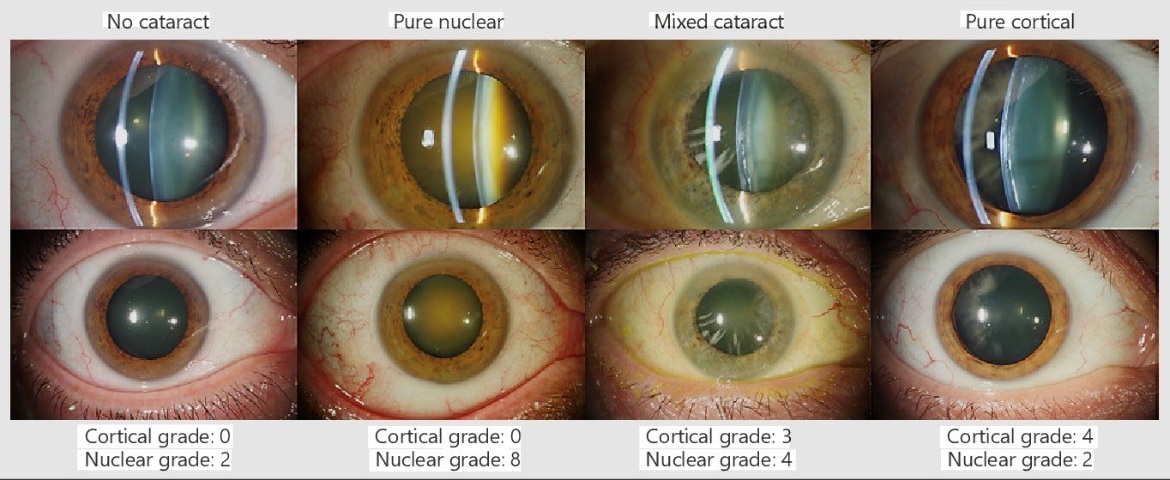
Cataracts can be described according to where the clouding develops in the lens.
· Nuclear cataracts: These form in the centre of the lens and are commonly associated with ageing.
· Cortical cataracts: These develop in the outer part of the lens and may cause glare or difficulty in bright light.
· Posterior subcapsular cataracts: These form near the back of the lens and may affect reading vision and cause glare.
· Congenital or infantile cataracts: These are present at birth or develop in childhood and require specialist assessment.
Causes and risk factors
Causes and risk factors
Ageing is the most common cause of cataracts, but other factors can increase the risk or contribute to earlier development.
· Eye injury or previous eye surgery
· Diabetes or other metabolic conditions
· Long-term use of certain medicines, such as steroids
· Prolonged ultraviolet light exposure
· Smoking
· Family history or hereditary conditions
· Some infections during pregnancy or associated syndromes in childhood cataracts

When is cataract surgery considered?
Cataracts do not always need immediate treatment. New glasses, better lighting, or reducing glare may help in the early stages, but surgery may be recommended when cataracts begin to interfere with daily life.
During cataract surgery, the cloudy lens is removed and replaced with a clear artificial lens. Your optometrist or eye specialist will assess your vision, explain your options, and advise you on the most appropriate next step.

Book an eye examination
If you notice blurred vision, glare, difficulty driving at night, or frequent changes in your prescription, book a comprehensive eye examination. Early assessment helps identify cataracts and ensures that you receive the right advice for your vision and lifestyle.
Don't worry, we can help!
FLOATERS
What You Need to Know
Many people describe eye floaters as small spots, strands, cobwebs, flies, or “spiders” that seem to drift across their vision. They may come and go, and they are often more noticeable when looking at a bright or plain background, such as a white wall or clear sky.

What causes floaters?
Floaters are commonly caused by changes in the vitreous, the clear gel-like substance that fills the back of the eye. The vitreous is attached to the retina, which is the light-sensitive layer at the back of the eye.
As we age, or due to certain eye changes, the vitreous can pull away from the retina. This may cause tiny fibres, clumps, or debris to float inside the eye, casting shadows that appear as floaters in your vision.
Why do floaters move?
Floaters move because they are suspended within the fluid inside the eye. They may settle with gravity, but when you move your head or eyes, they can drift back into view much like sand being stirred up in water.

When should floaters be checked?
Although floaters are often harmless, they can sometimes be linked to more serious problems such as a retinal tear, bleeding inside the eye, or retinal detachment. Flashing lights in the side vision may also occur and should always be taken seriously.
A thorough dilated eye examination is important to check the retina and make sure there is no risk of retinal detachment, especially if symptoms appear suddenly or change over time.

Do floaters go away?
Over time, many people become less aware of floaters as the eye and brain adapt. However, if floaters interfere with vision or daily activities, treatment options such as laser treatment or vitrectomy may be considered in selected cases.
Important:
Please arrange an eye examination urgently if you suddenly notice new floaters, a sudden increase in the number or size of floaters, flashing lights, or a shadow or curtain moving across your vision.
Don't worry, we can help!
GLAUCOMA
What You Need to Know
A simple guide to glaucoma, eye pressure, risk factors, testing and treatment options.
Glaucoma is a group of eye conditions that damage the optic nerve, which carries visual information from the eye to the brain. It is often linked to raised intra-ocular pressure, also called eye pressure, but glaucoma can sometimes develop even when eye pressure is within the normal range. If glaucoma is not diagnosed and treated early, it can lead to permanent vision loss.
Because glaucoma usually develops slowly and may not cause symptoms at first, regular eye examinations are essential. Early detection and ongoing treatment can help protect remaining vision and slow or prevent further damage.


Main Types of Glaucoma
Open-angle glaucoma:
the most common form. The drainage angle remains open, but fluid drains too slowly, causing pressure to build up gradually.
Angle-closure glaucoma:
a less common but more urgent form. The drainage angle becomes blocked or closed, causing eye pressure to rise quickly.
Both types can damage the optic nerve. Open-angle glaucoma often has no early warning signs, while acute angle-closure glaucoma can cause sudden symptoms and requires urgent medical attention.

Symptoms to Look Out For
Open-angle glaucoma usually develops slowly over many years. Many people do not notice any symptoms until the condition is advanced, because side vision is often affected first.
Sudden angle-closure glaucoma may cause severe eye pain, a red eye, blurred vision, halos or rainbow-coloured rings around lights, headache, nausea or vomiting. These symptoms should be treated as an eye emergency.

How Glaucoma Is Diagnosed
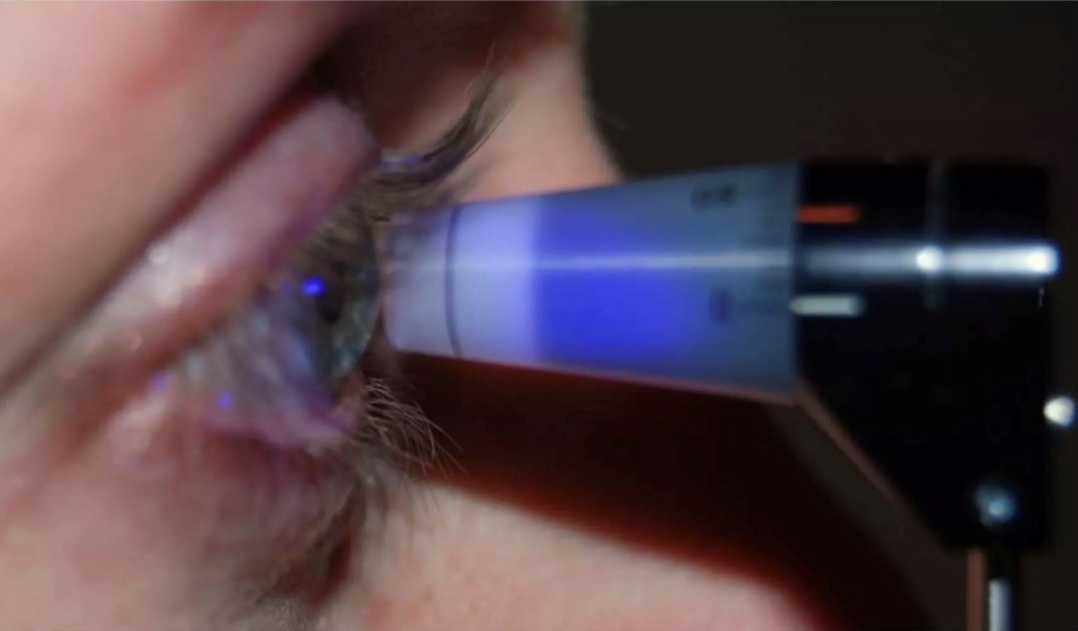
1. Tonometry: measures eye pressure.
2. OCT scan: assesses the retinal nerve fibre layer and optic nerve structure.
3. Fundus photography: documents the optic nerve and cup-to-disc ratio.
4. Visual field testing: checks for areas of vision loss, especially side vision.
5. Pachymetry: measures corneal thickness, which can affect pressure readings.
6.Gonioscopy: examines the drainage angle of the eye when needed

Treatment Options
The goal of glaucoma treatment is to lower eye pressure and reduce the risk of further optic nerve damage. Treatment cannot restore vision that has already been lost, but it can help preserve remaining sight.
·Prescription eye drops or oral medication: used to reduce fluid production or improve fluid drainage from the eye.
·Laser treatment: used in selected cases to improve drainage or reduce pressure.
·Surgery: may be recommended when medication or laser treatment is not enough to control eye pressure.


Risk Factors for Glaucoma
- Increasing age, especially from the age of 40 and older.
- A family history of glaucoma.
- African or Asian ancestry, depending on the type of glaucoma.
- Short-sightedness, which may increase the risk of open-angle glaucoma.
- Long-sightedness, which may increase the risk of angle-closure glaucoma.
- Thin corneas.
- Diabetes, high blood pressure, very low blood pressure or other vascular conditions.
- Previous eye injury or eye surgery.
- Chronic eye inflammation, such as uveitis.
- Pigment dispersion syndrome or pseudoexfoliation syndrome.
- Long-term use of corticosteroid medication.
When to Book an Eye Examination
Book a comprehensive eye examination if you are over 40, have a family history of glaucoma, have been told your eye pressure is raised, or notice changes in your vision. If you experience sudden severe eye pain, redness, blurred vision, halos around lights, nausea or vomiting, seek urgent medical attention immediately.
Don't worry, we can help!
MYOPIA CONTROL FOR CHILDREN
Protect your child’s vision for the future
Myopia (short-sightedness) is more than just needing glasses.
Most spectacle lenses simply help children see clearly. While they correct blurred distance vision, they do not slow the progression of myopia.
Today’s innovative myopia management treatments are designed not only to improve vision but also to help slow the worsening of myopia as your child grows.

Why is myopia becoming such a concern?
Research predicts that by 2050, nearly half of the world’s population may be myopic.
Children younger than 10 years are particularly vulnerable because their eyes are still developing. Early progression can lead to higher levels of myopia later in life.
- Higher myopia increases the lifetime risk of eye diseases such as:
- Retinal detachment
- Myopic macular degeneration
- Glaucoma
- Cataracts
The goal of myopia management is to reduce these future risks by slowing eye growth.

What causes myopia?
Myopia develops due to a combination of genetics and lifestyle.
Risk factors include:
✓ One or both parents being short-sighted
✓ Spending long hours on near work such as: • Reading • Homework • Tablets • Smartphones • Computers
✓ Limited outdoor activity
Research has shown that children who spend more time outdoors have a lower risk of developing myopia.

What is MiYOSMART?
MiYOSMART is an innovative spectacle lens developed specifically for children with progressing myopia.
It uses Defocus Incorporated Multiple Segments (D.I.M.S.) Technology, which:
Provides clear vision like a normal single vision lens Is comfortable to wear
Fits most children’s frames Is designed to slow the progression of myopia while maintaining excellent vision Developed in collaboration with The Hong Kong Polytechnic University, MiYOSMART has received several international innovation awards.

Why start treatment early?
Myopia progresses fastest during childhood.
The earlier treatment begins, the greater the opportunity to slow progression and reduce the amount of myopia your child develops.
Early intervention can help protect your child’s long-term eye health.

Is my child suitable?
Your child may benefit from myopia management if they:
• Are becoming more short-sighted each year
• Developed myopia at a young age
• Have one or both parents who are myopic
• Spend many hours doing near work
• Have limited outdoor activity
A comprehensive eye examination will determine whether MiYOSMART or another myopia management option is appropriate.

Helping your child at home
🌳 Spend at least 2 hours outdoors each day where possible.
📖 Follow the 20-20-20 rule: Every 20 minutes of near work, look at something 20 feet (6 metres) away for 20 seconds.
📱 Limit unnecessary recreational screen time.
💡 Ensure good lighting when reading or studying.
👓 Wear prescribed spectacles consistently.

Frequently Asked Questions
Question 1: Will my child’s eyesight improve?
Myopia management does not cure short-sightedness, but it aims to slow how quickly it worsens.
Question 2: Are MiYOSMART lenses safe?
Yes. They are worn like ordinary spectacle lenses and are designed specifically for children.
Question 3: How often should my child be reviewed?
Children undergoing myopia management are typically reviewed every 6 months to monitor vision and eye growth.

We offer expert eye care and quality eyewear for clear vision. Your eyesight is our priority see better, live brighter!
Useful Links
Contact Us
Working Hours
Monday - Friday
8:00 am – 5:30 pm
Weekends
Closed
Public Holidays
Closed
© Jan De Winnaar Optometrist 2026 All Rights Reserved.